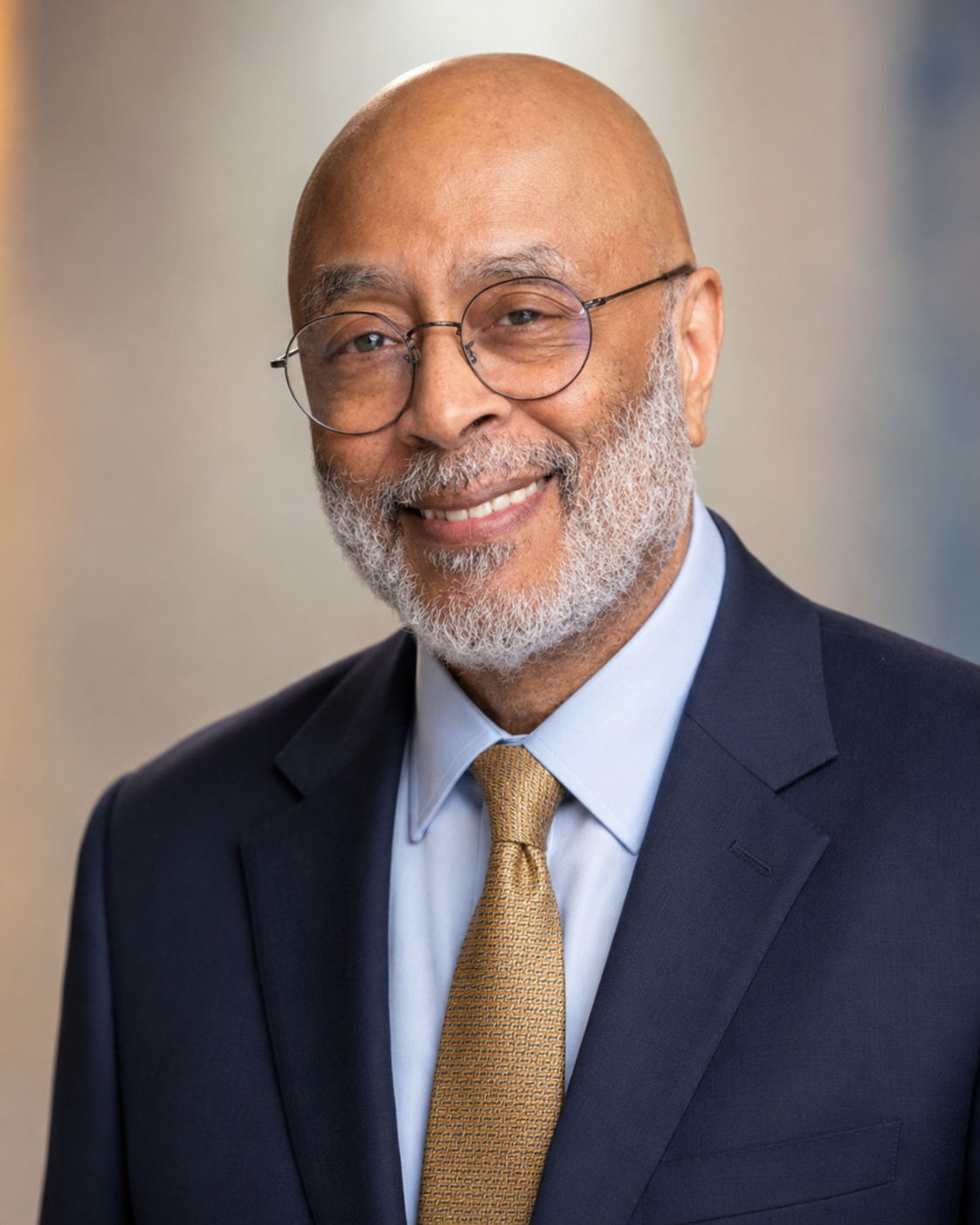
Richard W. Walker, Jr., MD, MBA, FMCP-M
About Dr. Walker
Physician Executive
A Physician’s Perspective on How Healthcare Must Change
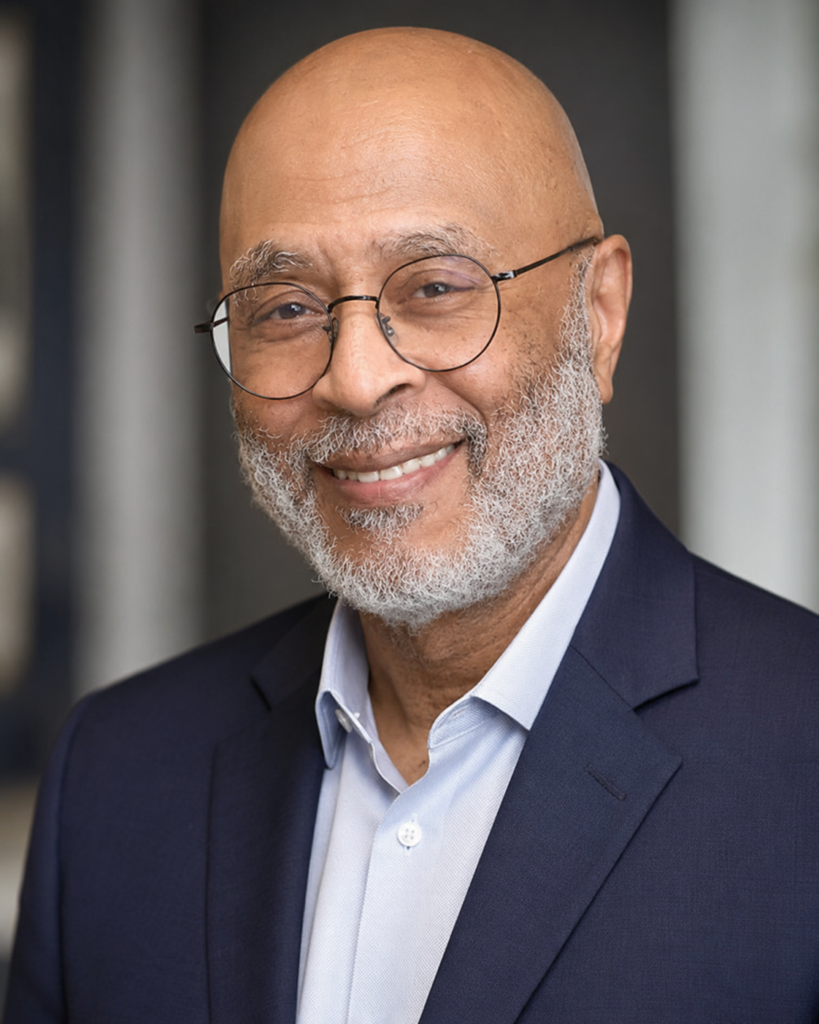
I have spent my career seeing healthcare from more than one vantage point—from the bedside and examination room to executive leadership, community health, population health, and healthcare strategy.
Those experiences have shaped how I think about healthcare transformation today.
The challenge is no longer simply how we treat the patient in front of us. Healthcare organizations are increasingly being asked to improve outcomes, manage populations over time, prevent avoidable complications, control costs, coordinate care, and prepare for greater accountability.
My work today focuses on helping physician practices and healthcare organizations understand what that transition requires and build the clinical and operational capabilities needed to make value-based care work in real-world settings.
Physician ExecutiveValue-Based Care StrategistAuthorEducatorAdvisor
Value-Based Care Certification — WGU Institute for Advancing Health Value
Point of View
Healthcare Transformation Has to Reach the Point of Care
Healthcare transformation requires more than changing policy at the top of an organization.
It has to change what happens where care is actually delivered.
It has to influence how physicians practice, how patients are engaged, how risk is identified, how prevention is incorporated into care, how teams coordinate across settings, and how clinical decisions connect to the outcomes an organization is expected to achieve.
That is why I believe strategy and clinical operations cannot remain separate.
- Technology alone does not solve it.
- A new reimbursement model alone does not solve it.
- A quality initiative operating separately from clinical workflow does not solve it.
Real transformation occurs when clinical care, physician leadership, prevention, population health, patient engagement, technology, measurement, and organizational accountability begin working as parts of the same system.
My position is straightforward: healthcare transformation requires leaders who are willing to connect strategy to the realities of patient care.
Personal Story
Healthcare Has Never Been an Abstract Issue for Me

I was born and raised in Spanish Harlem and grew up in public housing.
My path into healthcare began through my service in the United States Air Force, where I worked as a combat medic and laboratory technician.
I later practiced Obstetrics and Gynecology for approximately 20 years and spent another 15 years working in Functional and Environmental Medicine.
Those experiences allowed me to see healthcare from the bedside, the examination room, the executive office, and the community.
They also shaped how I think about health.
I learned to look beyond the immediate clinical encounter and consider what happens before a patient becomes sick, what happens between visits, what conditions influence health over time, and what systems either support or interfere with a patient’s ability to achieve a better outcome.
That perspective has stayed with me throughout my career.
How do we build a healthcare system that does more than respond to illness?
For me, that question connects prevention, access, health disparities, patient engagement, physician leadership, and the systems responsible for delivering care.
Career Journey
A Career Across the Healthcare System
Service
United States Air Force
Combat Medic & Laboratory Technician
My introduction to healthcare began through military service and direct patient care.
Clinical Medicine
Obstetrics & Gynecology
Approximately 20 years of clinical practice.
My years in medicine gave me a direct view of the relationship between clinical decisions, patient behavior, access, prevention, and health outcomes.
Prevention & Whole-Person Care
Functional & Environmental Medicine
Approximately 15 years focused on a broader approach to health, prevention, chronic disease, and factors influencing long-term outcomes.
Executive Leadership
Healthcare Operations & Organizational Leadership
My career expanded beyond individual patient care into healthcare operations and organizational leadership, including roles as Chief Operating Officer, Chief Medical Officer, Director of Women’s Health Services, and consulting roles across healthcare organizations.
Healthcare Innovation
Population Health, Community Health & Care-Model Development
My work increasingly focused on how healthcare organizations structure care, improve continuity, manage populations, expand access, engage patients between encounters, and build systems capable of supporting better outcomes.
Value-Based Care
Strategy, Readiness & Transformation
Today, I bring those experiences together in my work as a physician executive and value-based care strategist.
My focus is no longer one patient encounter at a time.
It is the system surrounding those encounters.
The Recurring Problem
The Problem Was Bigger Than Any One Clinical Encounter
Throughout my career, I kept seeing versions of the same problem.
Healthcare organizations are expected to improve outcomes, manage increasingly complex patient populations, reduce avoidable utilization, control costs, improve access, and take greater responsibility for what happens to patients over time.
But the systems underneath care have not always changed at the same pace as those expectations.
- Clinical workflows may still be episodic.
- Prevention may exist as a program instead of an operating strategy.
- Care coordination may sit outside the normal clinical workflow.
- Technology may be added without changing the model it is supposed to support.
- Physician leaders may be held accountable for transformation without being given the operating structure required to lead it.
The result is a collection of initiatives that may all be valuable individually but do not necessarily function as one system.
That is the problem I am interested in solving.
Value-based care requires the clinical and operational pieces to work together.
- Clinical Care
- Prevention
- Population Health
- Physician Leadership
- Workforce Readiness
- Governance
- Technology
- Risk Management
- Financial Accountability
- Longitudinal Patient Engagement
They cannot remain separate initiatives if the organization is expected to produce a different result.
Current Work
I Retired From Active Clinical Practice.
I Did Not Retire From Improving Healthcare.
Today, I am a physician executive, value-based care strategist, author, educator, and advisor.
My work has changed, but the objective has not.
I want healthcare organizations to be better prepared to deliver care that improves health—not simply respond after health has deteriorated.
That work now includes helping physician practices and healthcare organizations at different stages of the transition toward accountable and value-based care.
- Prepare
Some organizations are beginning to prepare.
- Build
Some are building the capabilities they will need.
- Assess
Some believe they are ready and want to know whether their systems are truly aligned.
- Improve
Some already have value-based programs in place and need to improve how those programs perform.
- Evaluate Risk
Others are evaluating contracts or additional financial risk and need to understand both the opportunity and what their organization must be capable of delivering.
Through Richard W. Walker, Jr., MD Consulting, I work with healthcare leaders through VBC readiness, strategic advisory, physician and executive education, organizational assessment, prevention-first operating-model strategy, program development, and implementation support.
The objective is not simply to explain value-based care.
It is to help organizations make it operational.
Current Leadership
Helping Prepare Healthcare Leaders for What Comes Next
Healthcare transformation does not happen through strategy alone.
People have to understand the new operating environment, know what is expected of them, and have the knowledge and leadership capability to work differently.
Western Governors University
National Health Advisory Council
I contribute subject-matter expertise related to value-based care operating models, population-health performance frameworks, and workforce readiness for accountable-care environments.
WGU Institute for Advancing Health Value
Medical Advisor
My work includes contributions related to value-based care implementation, health equity strategy, and performance measurement supporting total-cost-of-care improvement.
Community Health Workforce Development
Certified Community Health Worker Instructor
I support workforce development for community-based care and education addressing social determinants of health and population-health risk factors.
Certified in Value-Based Care
Value-Based Care Certification
WGU Institute for Advancing Health Value
Healthcare cannot change unless the people responsible for delivering it are prepared to lead the change.
Start the Conversation
Bring Dr. Walker’s Perspective to Your Organization
The transition ahead will require more than understanding value-based care as a concept.
Healthcare organizations will need to understand what it requires of their physicians, their clinical operations, their leadership, their workforce, and the systems supporting patient care.
Whether your organization is preparing for value-based care, building a program, strengthening an existing model, developing physician leaders, educating an executive team or board, or considering a new level of accountability, the conversation can begin with the challenge you are trying to solve.
Contact Dr. Walker